

Blog – Berrish, Burwash, and the Business of Keeping a Village Alive
“Who in Heathfield’s three-mile street still speaks of Heffle Fair?”
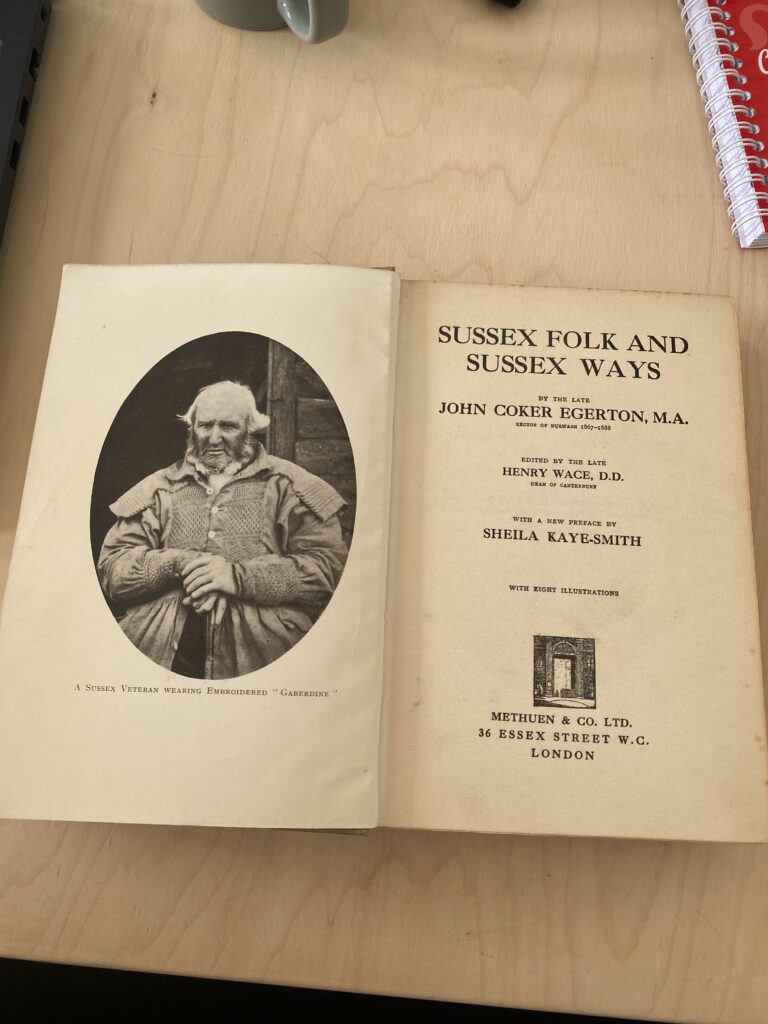
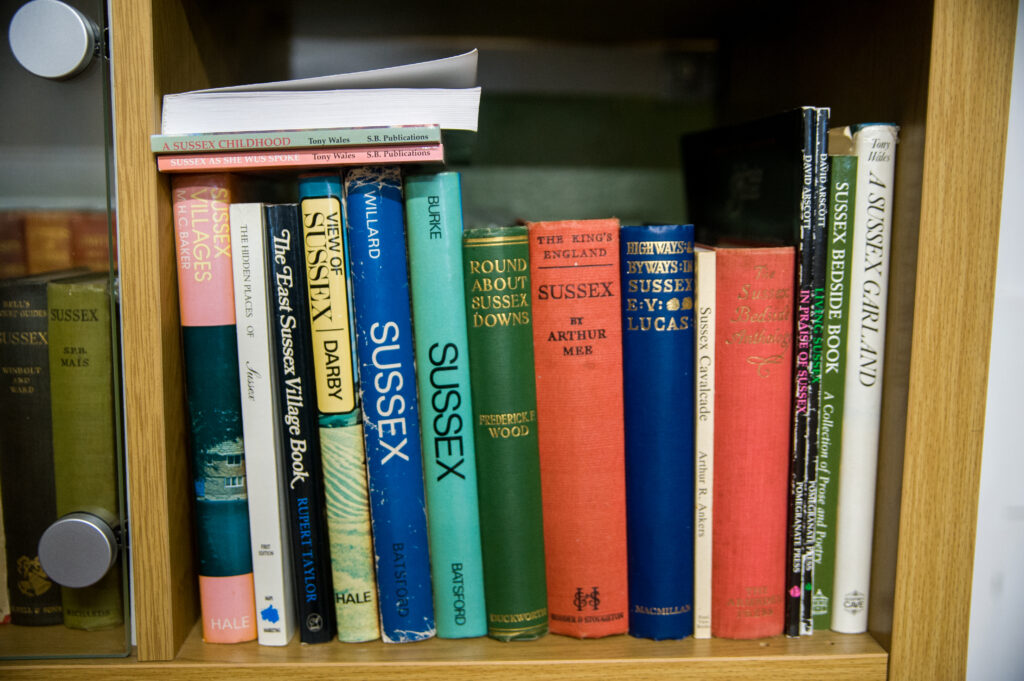
John Coker Egerton asked that question sometime in the 1880s, and it has the quality of questions that don’t entirely expect an answer. Egerton was the rector of Burwash – or Berrish, as his parishioners called it – and he spent a good part of his life writing down what he heard around him: the dialect, the customs, the turns of phrase that he suspected were already on their way out. His book, Sussex Folk and Sussex Ways (1884), is the record of a man paying close attention to a place he loved, before the place changed beyond recognition.
Sussex people, he observed, were “learning from London how to pronounce their own names. Londoners had driven lovely Horse-ham into banal Horsham, Scotchified Ber-wick into Berrick, and drawled Berrish out into Burwash.” The language of a place, it turns out, doesn’t disappear all at once. It changes, gradually, until one day the locals can’t quite remember what they used to say.
What’s striking about John Egerton, though, is that he wasn’t a man given to simple nostalgia. The same book that mourns the passing of Heffle Fair also makes a case for motor services connecting villages, and for bringing cinema into rural village halls. “I should like to say a word,” he writes, “about the despised ‘pictures’, which can make a place of education and entertainment of many a village hall, hitherto given over to penny readings and painful recitations.” He had, he said, no sympathy with the idea that country people should be content with “utter monotony and dullness”.
That’s not the voice of someone pining for a simpler time. That’s someone arguing, in the 1880s, for ambition on behalf of his community. Preserve what’s worth keeping. Bring in what’s genuinely useful. Don’t romanticise the dullness.
It’s a position that would be entirely recognisable to anyone running a village hall in Sussex today.
The halls that are thriving – and there are plenty of them – tend to be the ones that hold both instincts at once. They run the lunch club that’s been going since 1989 and the digital skills session that helps people navigate the NHS app. They host the quilting group on Tuesday and the broadband surgery on Thursday. (Things we witnessed during Village Halls Week!). They know their community well enough to understand what it needs, and they’re not precious about where that leads. John Egerton would have approved.
What he understood, perhaps better than he knew, is that meeting places matter. Dialect doesn’t survive in books – or not only in books. It survives in repeated gatherings of the same people, talking the way they actually talk, unselfconsciously, over tea. The jokes, the references, the local shorthand, the story about the thing that happened at the fete in 1987 – none of it is written down, and all of it depends on the gathering continuing. When a village hall closes, that conversation stops.
Nobody in Heathfield refers to Heffle Fair anymore – that particular battle was lost before John Egerton finished writing. But the questions he was really asking were: Who is paying attention?; Who is showing up?; Who thinks this place is worth the effort?
In Sussex, at least, the answer is usually people who run and support a village hall.
 Twitter
 Facebook